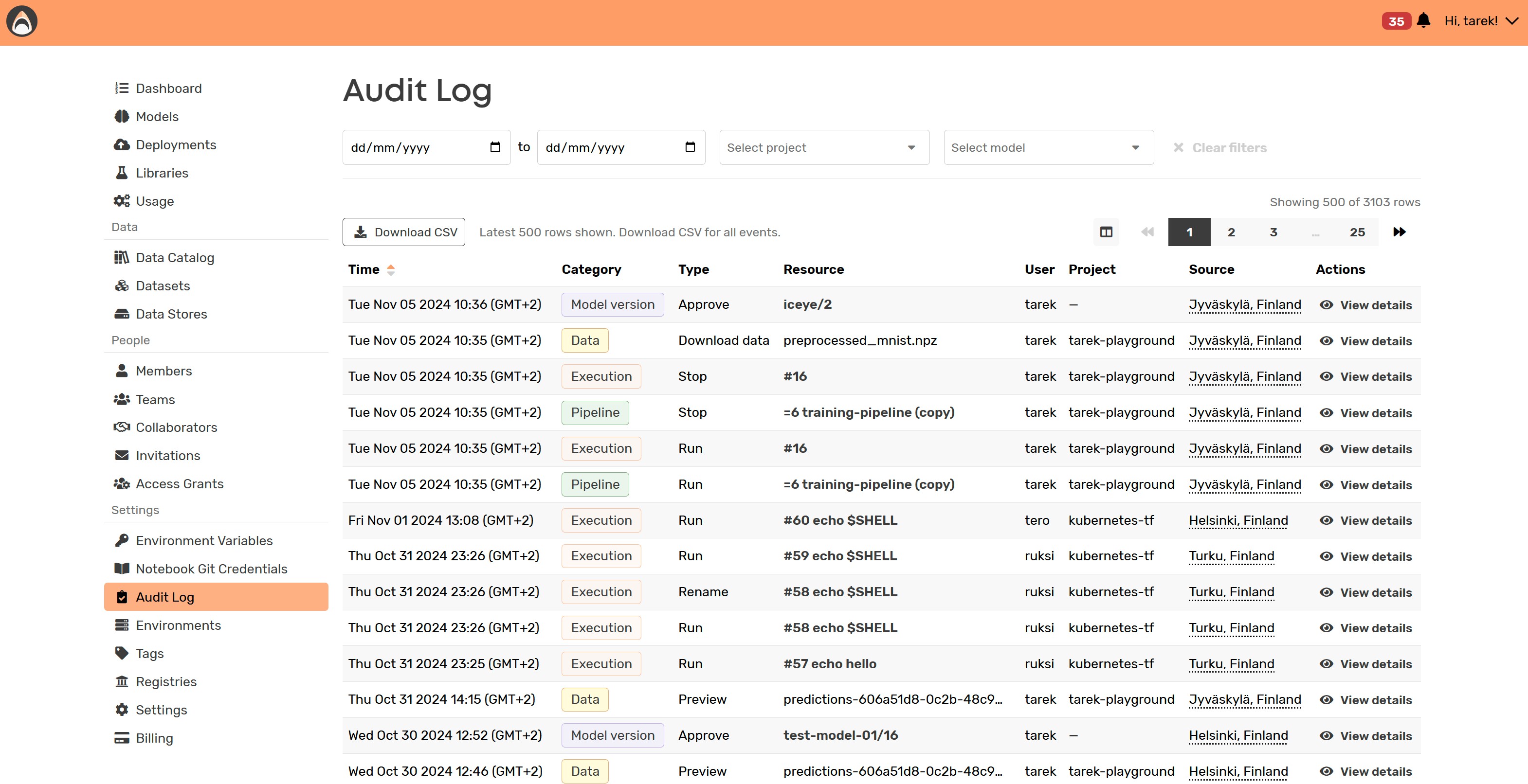
In digital platforms where transactions occur, the traceability of each action becomes a cornerstone of operational integrity and user trust. Transaction logs serve as the detailed footprints of activity, providing a chronological record of events that are essential for auditing, error resolution, and compliance. Traceability ensures that every transaction, no matter how minor, can be tracked back to its origin, including information about who performed the action, when it happened, and the system conditions at the time. This level of documentation is critical for identifying anomalies, supporting investigations into suspicious behavior, and verifying the accuracy of financial or operational records. Without traceable logs, platforms risk operational opacity, making it challenging to resolve disputes, correct errors, or satisfy regulatory obligations.
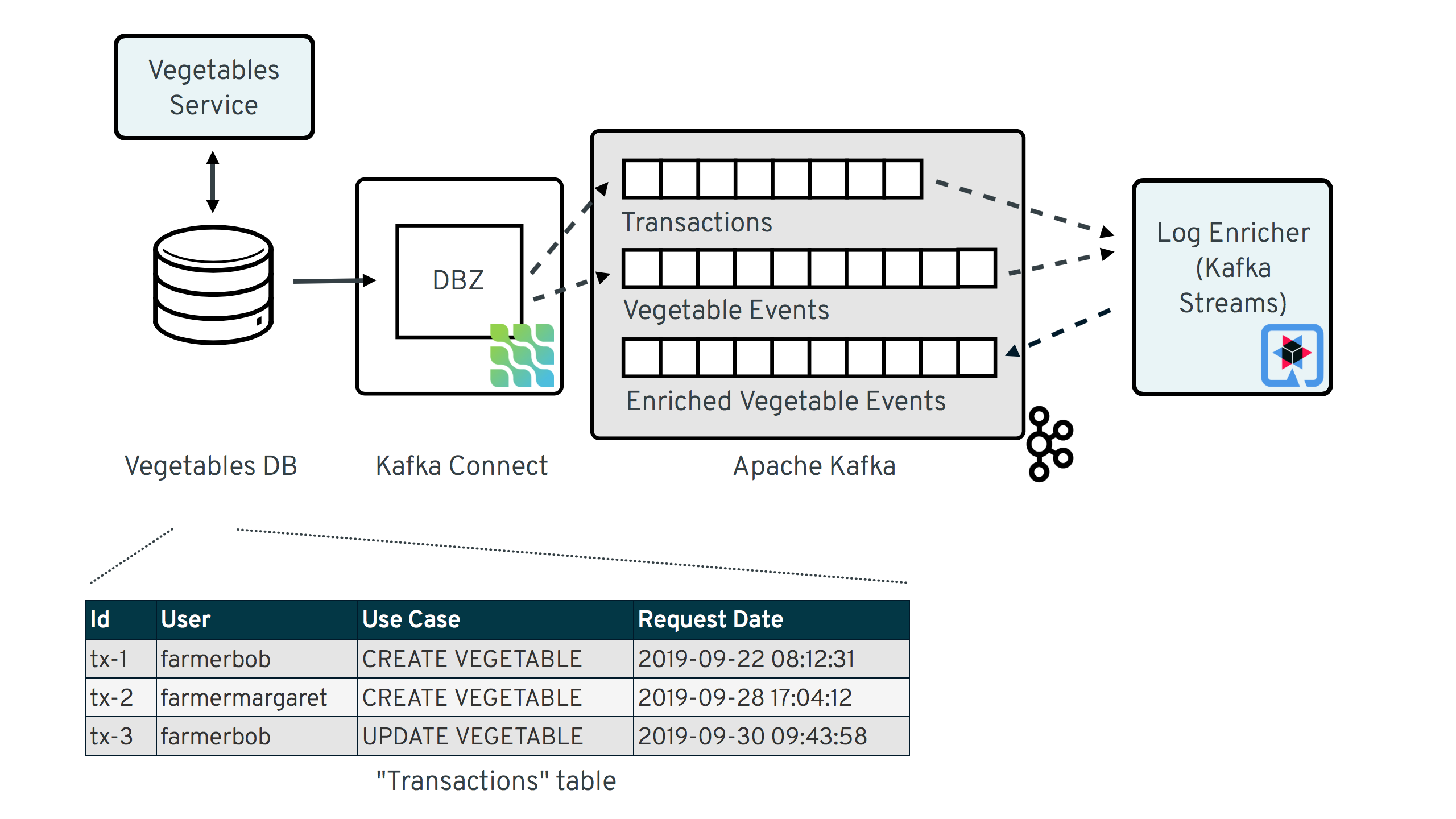
The design of transaction logs must prioritize completeness and clarity. Each entry should capture not only the essential transaction data, such as amounts, identifiers, and timestamps, but also contextual information that could be crucial in understanding the flow of events. For example, capturing the status before and after a transaction provides a snapshot of the system’s state and facilitates precise reconciliation. Additionally, including metadata such as device information, IP addresses, or user session identifiers strengthens traceability, enabling analysts to detect unusual patterns that could indicate security threats or process deviations. Logs must be structured in a consistent manner, adhering to standardized formats that allow for both human readability and machine parsing, ensuring that automated systems can reliably interpret the data for reporting, auditing, or alerting purposes.
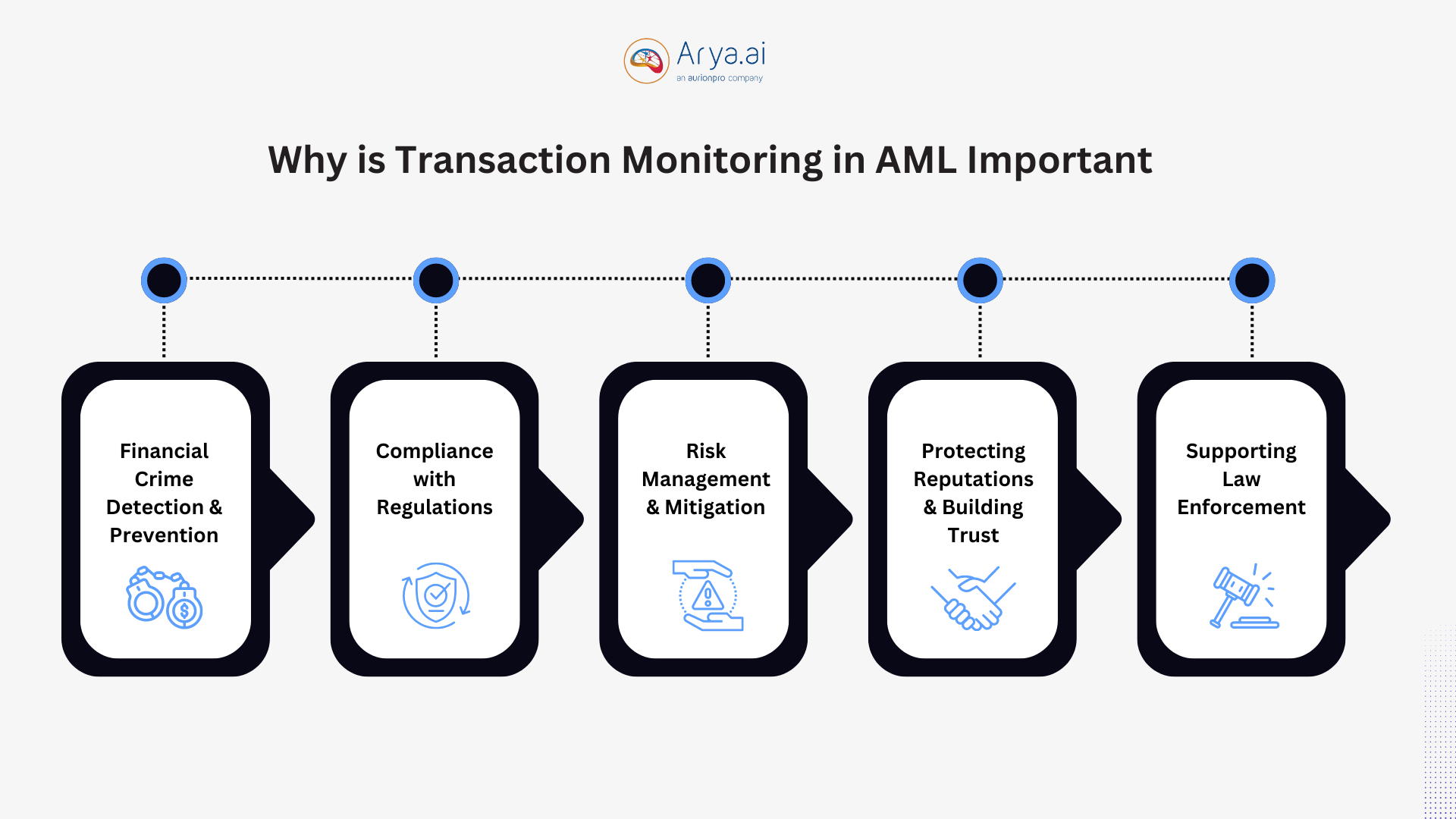
Traceability in transaction logs directly impacts compliance with legal and regulatory frameworks. Many industries, including finance, healthcare, and e-commerce, face stringent requirements that mandate precise recordkeeping. For instance, financial institutions are often required to maintain comprehensive transaction histories to satisfy anti-money laundering regulations, tax reporting, and internal audit processes. In such environments, incomplete or inconsistent logging can result in regulatory penalties, legal disputes, and reputational damage. Beyond formal compliance, traceable logs support internal governance by enabling organizations to enforce accountability. When each action is linked to a user or system component, organizations can review activity for adherence to policies, detect procedural violations, and implement corrective measures. This creates a culture of responsibility where users are aware that actions are recorded and verifiable.
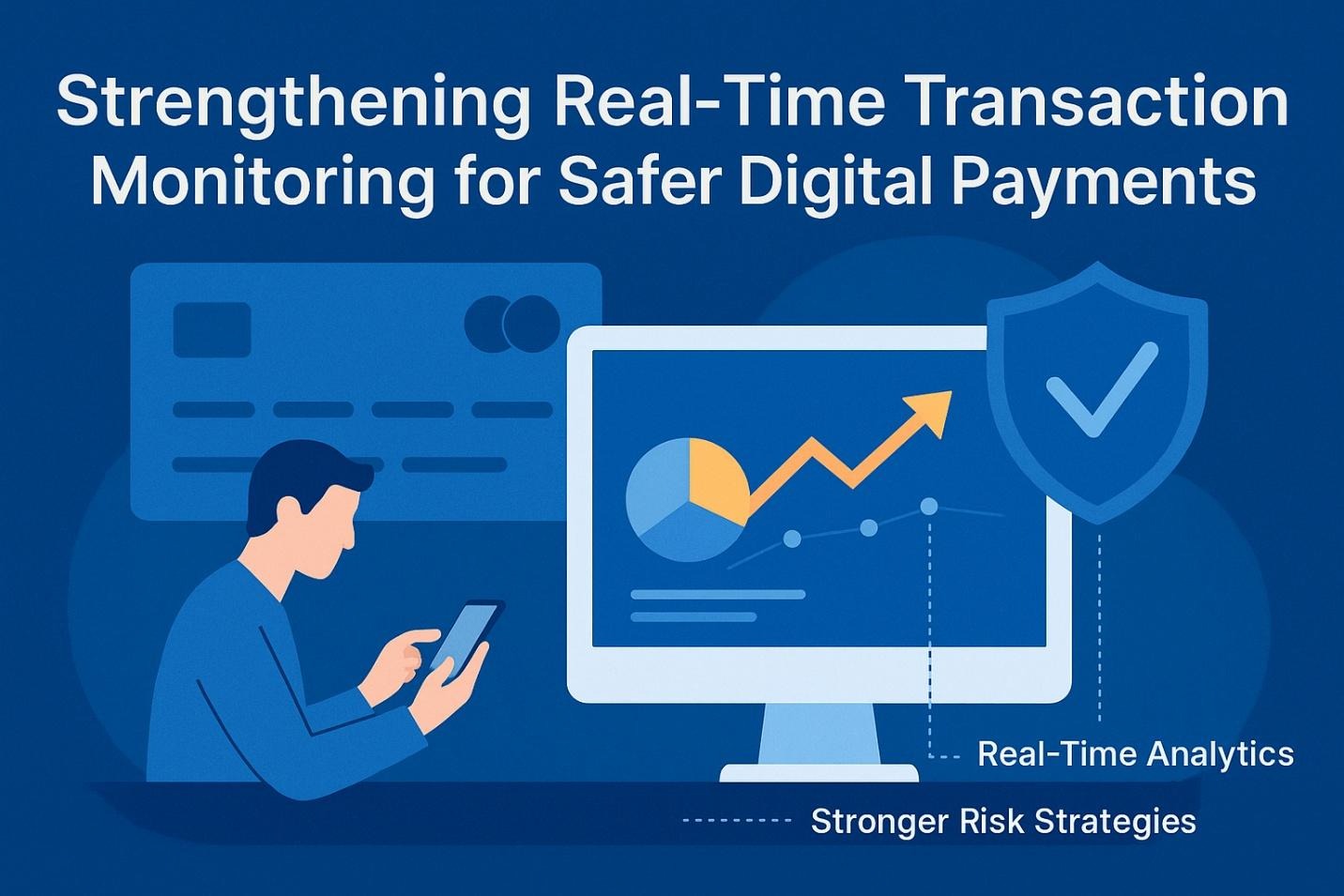
Security is another critical dimension tied to traceability. Transaction logs serve as a defensive mechanism against fraud, unauthorized access, and data tampering. By maintaining detailed, immutable records, platforms can reconstruct events following security incidents, determine the scope and impact of breaches, and identify responsible parties. Logs that incorporate tamper-evident mechanisms or cryptographic signatures add an extra layer of protection, ensuring that records remain trustworthy even in the face of malicious attempts to alter data. The ability to trace transactions also supports proactive monitoring, where automated systems continuously analyze logs to detect irregularities or suspicious sequences. This real-time vigilance allows for rapid response, reducing potential financial losses and operational disruption.
Traceability contributes to operational efficiency and problem resolution as well. When issues arise, such as failed transactions, mismatched balances, or system errors, well-documented logs allow engineers and administrators to trace the root cause accurately and quickly. Instead of relying on user reports or anecdotal evidence, teams can pinpoint the exact moment and context of failure, often identifying systemic issues before they escalate. This not only reduces downtime but also minimizes the operational risk associated with human error, miscommunication, or overlooked anomalies. Furthermore, historical transaction data supports analytical initiatives, allowing organizations to detect trends, optimize workflows, and make informed strategic decisions based on reliable information.
The implementation of traceability must also balance transparency with privacy considerations. While detailed logs enhance accountability and monitoring, they often contain sensitive personal or financial information. Organizations must ensure that log data is protected through encryption, access controls, and retention policies that comply with data protection regulations. Role-based access ensures that only authorized personnel can view or manipulate logs, mitigating the risk of internal misuse. Moreover, anonymization or pseudonymization of user identifiers can provide traceability for operational purposes while safeguarding individual privacy, striking a balance between accountability and compliance with data protection standards.
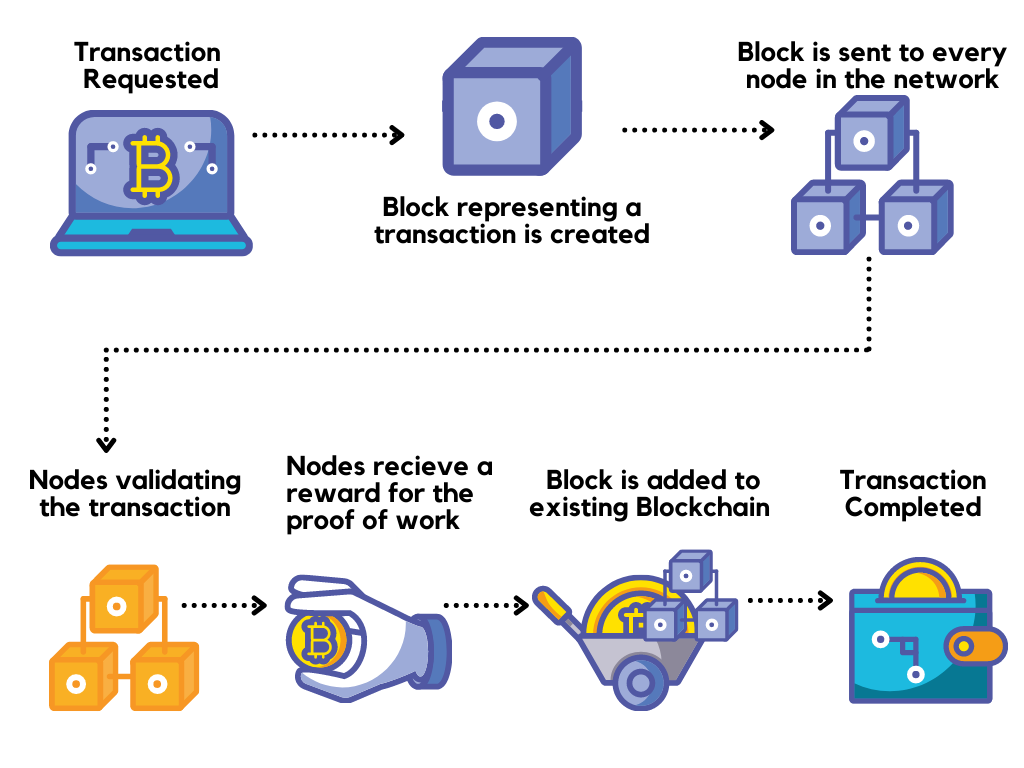
Technological advances have further refined the concept of traceability in transaction logs. Modern systems leverage distributed ledgers, real-time monitoring tools, and automated audit trails to enhance the granularity and immediacy of traceable records. Blockchain-based solutions, for instance, provide immutable, cryptographically verifiable logs that can be shared across multiple stakeholders without risking tampering. In parallel, AI and machine learning tools analyze transaction histories to identify patterns that humans might overlook, flagging unusual sequences or behaviors that could indicate inefficiencies or fraudulent activity. These technologies amplify the ability of organizations to maintain comprehensive oversight while reducing manual effort and error.
Ultimately, the importance of traceability in transaction logs extends beyond regulatory compliance and security. It underpins the integrity of digital operations, supports user trust, and ensures operational resilience. Systems that provide clear, consistent, and accessible logs empower organizations to act decisively when anomalies occur, provide evidence in disputes, and make data-driven decisions with confidence. As digital ecosystems become increasingly complex and interconnected, the capacity to trace each transaction accurately and reliably emerges as a defining factor in sustainable and responsible operational management. Organizations that invest in robust logging frameworks, combine technical rigor with privacy safeguards, and leverage emerging technologies for enhanced oversight position themselves to navigate challenges effectively while maintaining accountability, transparency, and user confidence at every level.
Traceability in transaction logs is not merely a technical requirement; it is a strategic asset. Its value manifests in operational clarity, legal defensibility, fraud prevention, and analytical insight. By ensuring that every action is recorded, verifiable, and contextually rich, organizations lay the foundation for robust governance, efficient troubleshooting, and informed decision-making. As systems evolve and the volume of digital transactions grows, the capacity to maintain accurate, accessible, and secure logs will remain central to sustaining trust, compliance, and performance in any transaction-driven environment.




Be First to Comment